When people think about tennis, they usually imagine powerful serves, long rallies, and thrilling matches. But behind every great tennis game is something equally important — the court surface. The quality of the surface directly affects how the ball moves, how players perform, and how long the court lasts. That’s why choosing the right Tennis Court Flooring ↗ is such an important decision for clubs, schools, sports complexes, and even private homeowners.
A well-designed tennis court surface not only improves gameplay but also ensures safety and durability. Whether you’re planning to build a new court or renovate an existing one, understanding the available flooring options will help you make the right choice.
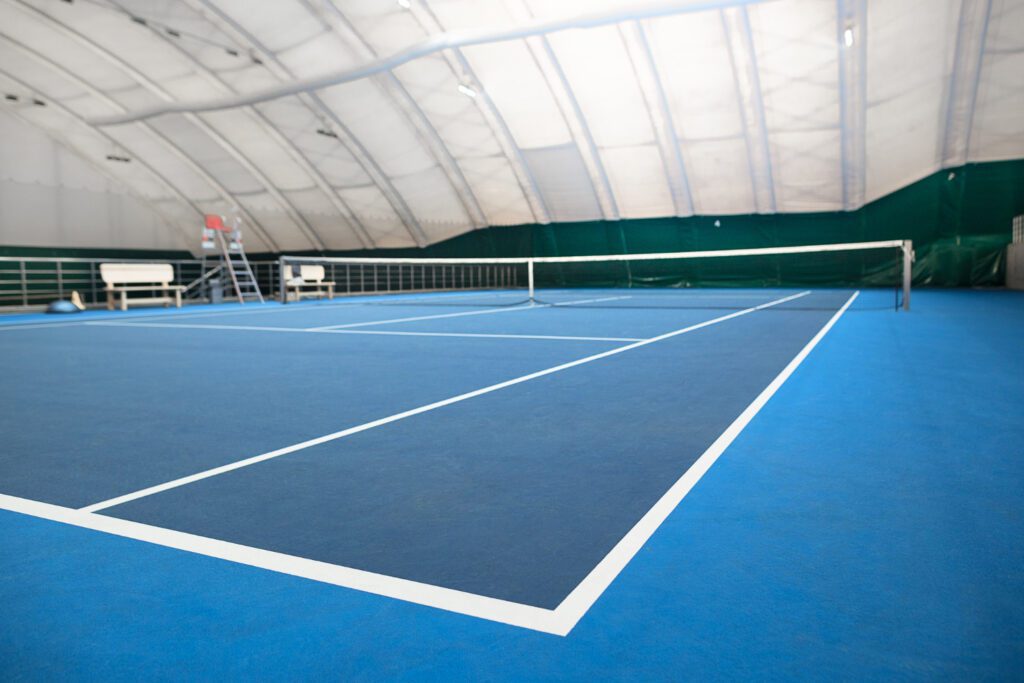 Why Tennis Court Flooring Matters
The flooring of a tennis court influences ball bounce, speed, and player comfort. A poor surface can lead to uneven play, higher maintenance costs, and even injuries. On the other hand, high-quality Tennis Court Flooring provides consistent bounce, better traction, and long-term reliability.
Players also notice the difference immediately. Professional and amateur players alike prefer courts that offer smooth movement and predictable ball behavior. That’s why modern sports facilities invest in advanced flooring systems designed specifically for tennis.
Common Types of Tennis Court Flooring Materials
There are several types of tennis court surfaces used around the world, and each has its own characteristics. Let’s take a closer look at the most popular Tennis Court Flooring Material ↗ options.
Acrylic Tennis Court Surface
Acrylic flooring is one of the most widely used tennis court surfaces today. It is commonly seen in professional tournaments and sports clubs.
This type of flooring is installed over a concrete or asphalt base and finished with multiple layers of acrylic coating. It offers a smooth, durable surface with excellent grip and consistent ball bounce.
Acrylic courts are also available in different colors, making them visually appealing while maintaining professional performance standards.
Synthetic Tennis Court Flooring
Synthetic flooring systems are gaining popularity due to their flexibility and comfort. These courts often include cushioned layers that reduce impact on players’ joints.
The cushioned structure provides better shock absorption, which makes long matches more comfortable. Because of this, synthetic surfaces are commonly used in training centers and recreational facilities.
Clay Tennis Courts
Clay courts are famous for their slower gameplay and high bounce. These courts are popular in many parts of Europe and South America.
Clay surfaces allow players to slide more easily, which can be beneficial for certain playing styles. However, they require regular maintenance, including watering and leveling.
Grass Tennis Courts
Grass courts are the traditional tennis surface and are known for their fast gameplay. The ball tends to stay low and move quickly, making the game more dynamic.
Although grass courts are beautiful and prestigious, they require extensive care and maintenance. As a result, they are less common in everyday sports facilities.
Factors to Consider When Choosing Tennis Court Flooring
Selecting the right surface depends on several factors. Every facility has different needs, budgets, and usage patterns.
Durability
A good Tennis Court Flooring system should last for many years with minimal repairs. High-quality materials can withstand heavy usage and changing weather conditions.
Maintenance Requirements
Some surfaces require more upkeep than others. Acrylic and synthetic courts generally need less maintenance compared to clay or grass courts.
Player Comfort
Comfort is another key factor. Cushioned surfaces help reduce stress on joints and muscles, making them ideal for training centers and community sports facilities.
Budget
Budget plays an important role in deciding the type of Tennis Court Flooring Material to use. While premium systems may cost more initially, they often save money in the long run due to lower maintenance and longer lifespan.
Benefits of High-Quality Tennis Court Flooring
Investing in a professional court surface offers many advantages. A well-built tennis court improves gameplay, enhances safety, and increases the value of the facility.
Quality flooring also ensures better drainage and weather resistance, which keeps the court usable throughout the year. Additionally, modern materials are designed to resist cracks, fading, and surface damage.
For sports academies and clubs, a well-maintained court also creates a positive impression on players and visitors.
Final Thoughts
Building a tennis court is a long-term investment, and choosing the right flooring is one of the most important decisions in the process. The right Tennis Court Flooring provides durability, comfort, and excellent playing conditions, while the best Tennis Court Flooring Material ensures the court remains reliable for years.
Whether you are planning a professional sports complex or a small recreational court, understanding the available flooring options will help you create a surface that players enjoy and trust. With the right materials and proper installation, your tennis court can become a place where great matches and memorable moments happen every day.