Building a tennis court is an exciting project for sports clubs, schools, residential societies, or even private homeowners who love the game. However, before starting construction, one of the most important things to understand is the budget. Many people underestimate the total expense involved, which includes land preparation, surface materials, fencing, lighting, and maintenance features. Knowing the Tennis Court Construction Cost ↗ and the Tennis court Material cost in advance helps you plan properly and avoid unexpected expenses later.
Let’s explore the major factors that influence tennis court construction and how material choices affect the overall cost.
Understanding Tennis Court Construction Cost
The Tennis Court Construction Cost depends on several factors such as location, type of surface, ground preparation, drainage system, fencing, and additional facilities like lighting or seating. Generally, constructing a tennis court involves multiple stages including leveling the ground, installing the base layers, applying the surface material, and finishing with markings and accessories.
 Ground preparation is usually the first major expense. The land must be properly leveled and compacted to create a stable base. Without proper groundwork, cracks or uneven surfaces may develop later, which can lead to higher repair costs.
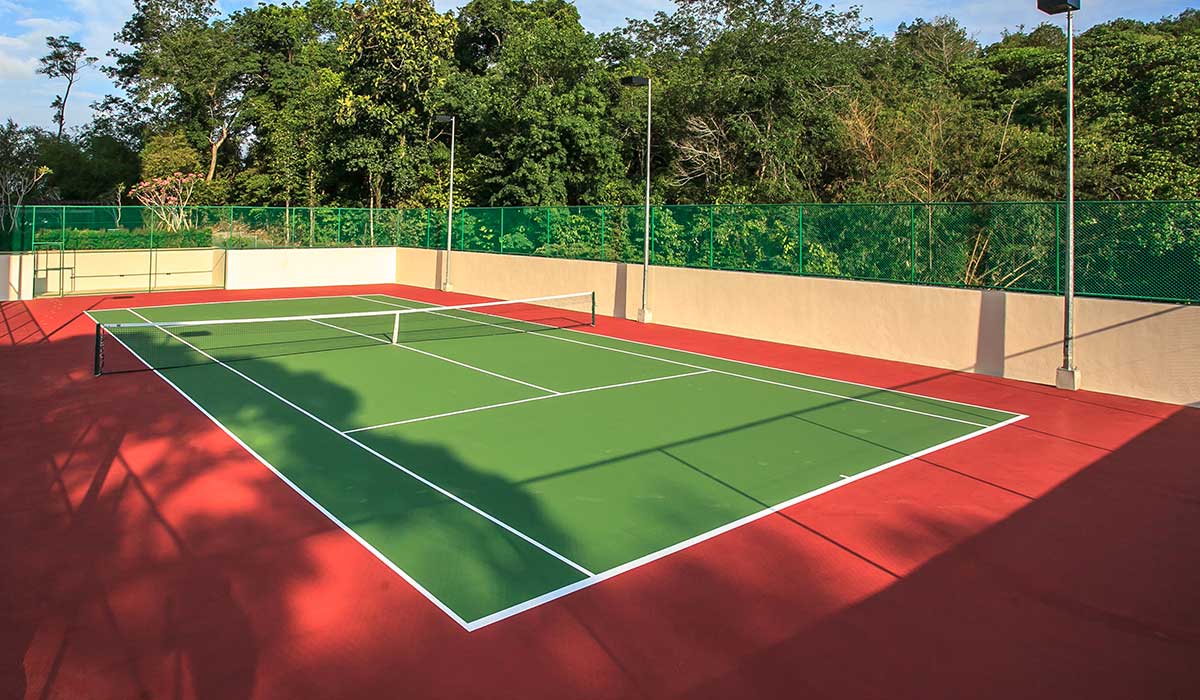
Another important factor is the type of court surface you choose. Tennis courts are commonly built using surfaces such as acrylic, synthetic, clay, grass, or concrete. Each option has its own cost, maintenance requirements, and playing characteristics. For example, acrylic courts are very popular because they are durable, weather-resistant, and require minimal maintenance.
Lighting and fencing also add to the overall cost. Professional courts often include high-quality fencing around the perimeter and LED floodlights for evening play. These elements improve safety and allow players to enjoy the court at any time of the day.
Choosing the Right Tennis Court Materials
Material selection plays a huge role in determining durability and performance. The Tennis court Material cost ↗ varies depending on the type of surface and the quality of construction materials used.
Acrylic flooring is one of the most widely used materials for tennis courts. It provides a smooth playing surface with good ball bounce and excellent grip. Acrylic systems typically include several layers such as primer, cushion layers, color coatings, and line markings.
Clay courts are another classic option. They are popular in many European countries and offer slower gameplay, which can be easier on players' joints. However, clay courts require frequent maintenance such as watering and rolling to keep the surface consistent.
Synthetic surfaces are becoming increasingly popular for modern tennis facilities. These materials provide good shock absorption and durability while reducing maintenance costs. Although the initial Tennis court Material cost may be slightly higher, synthetic courts often save money in long-term upkeep.
Concrete and asphalt bases are also commonly used beneath surface layers because they provide strong structural support. The quality of the base is extremely important since it determines how long the court will last without cracks or damage.
Additional Construction Features
Besides the playing surface, several other components are necessary for a complete tennis court. For example, fencing ensures that balls remain within the playing area and protects nearby surroundings. Most courts use chain-link fencing that is durable and cost-effective.
Drainage systems are another crucial part of construction. Proper drainage prevents water accumulation and protects the court surface during rainy seasons. Without good drainage, water can weaken the base layers and cause long-term structural issues.
Net posts, center straps, court markings, and seating areas are also part of the overall design. While these features might seem minor, they contribute to the final Tennis Court Construction Cost and should be included in the planning stage.
Maintenance and Long-Term Value
Building a tennis court is not just about construction—it’s also about long-term care. Proper maintenance ensures the court remains safe and enjoyable for players for many years. Regular cleaning, surface inspections, and occasional repainting help maintain performance and appearance.
Although construction may seem expensive initially, a well-built court can last for decades with proper maintenance. Investing in high-quality materials and professional construction services often saves money over time by reducing repair and replacement costs.
Final Thoughts
Constructing a tennis court is a rewarding investment for sports enthusiasts and communities. By understanding the Tennis Court Construction Cost and selecting the right materials, you can create a durable and enjoyable playing surface that lasts for years.
Whether you choose acrylic, clay, or synthetic surfaces, careful planning and quality materials are the keys to a successful tennis court project. With the right approach, your tennis court can become a great place for recreation, competition, and healthy outdoor activity.